
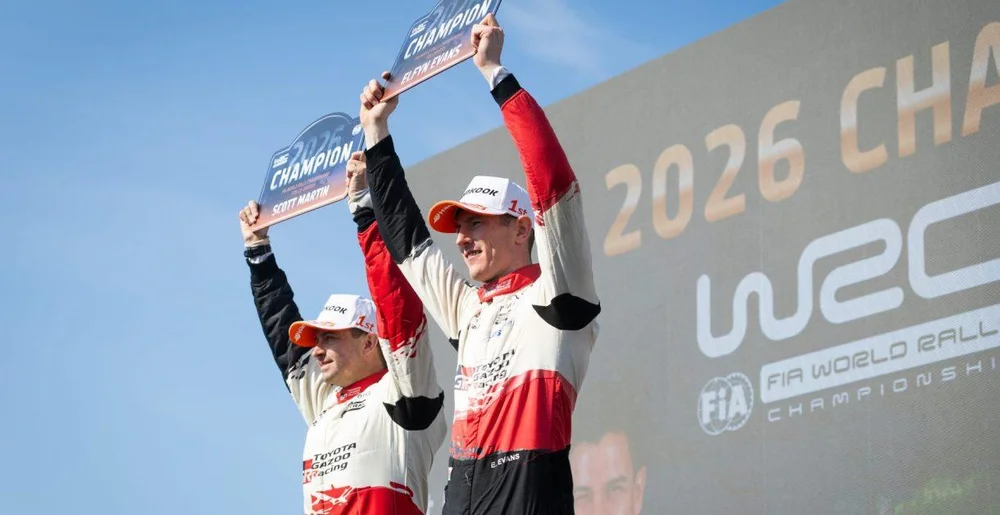
On October 22, Elfyn Evans drove a Toyota C-HR+ across the finish line at Toyota’s Deeside facility after the EV Rally Cymru journey through Wales. The appearance connected the newly crowned World Rally Championship winner with an event centered on electric vehicle efficiency. For Elfyn Evans WRC champion, the moment offered a different setting from the competitive stages associated with his title. Richard Seymour and Rod Kirkpatrick had completed most of the approximately 385-mile route. Evans’s role came at the finish, where the rally’s energy-efficiency results met a familiar name from world rallying.
Toyota UK announced the result on October 27, presenting its electric vehicle’s performance as the central achievement of the Welsh journey. The specific question is how Evans’s appearance relates to the efficiency result that brought the event attention. The announcement and a separate report from Business Motoring confirm his participation, although the available account does not independently detail every measurement behind the result. That distinction keeps the story grounded in its strongest facts. The following sections examine the route, the division of driving duties, and the significance of the finish-line appearance without turning a technical result into a claim about wider public reaction.
Three Details Behind Toyota C-HR+ at Deeside
- Toyota UK announced the electric vehicle efficiency result from EV Rally Cymru on October 27.
- Elfyn Evans drove the Toyota C-HR+ across the finish line at Deeside on October 22.
- Richard Seymour and Rod Kirkpatrick handled most of the approximately 385-mile journey across Wales.
The central detail is the division between the journey itself and its public finish. Seymour and Kirkpatrick undertook most of the driving, while Evans took the car across the line at Toyota’s Deeside facility. That sequence places the champion within the event without assigning him responsibility for the entire route. It also gives the EV Rally Cymru result two distinct elements: a long-distance efficiency challenge and a recognizable figure at its conclusion. The remaining question concerns their relationship. Does the finish-line moment chiefly illustrate Toyota’s electric vehicle achievement, or does Evans’s presence give that technical result a broader sporting context?
Elfyn Evans WRC Champion Meets a 385-Mile Electric Challenge
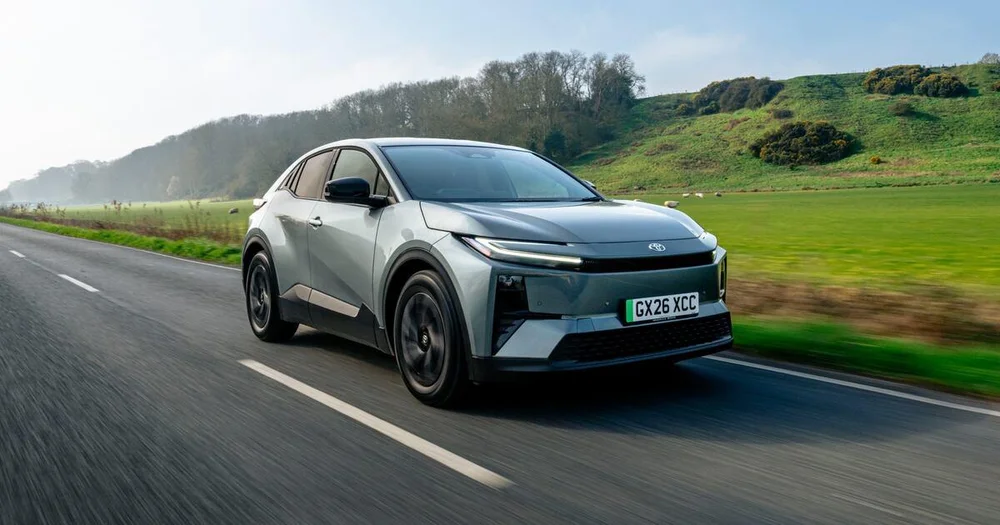
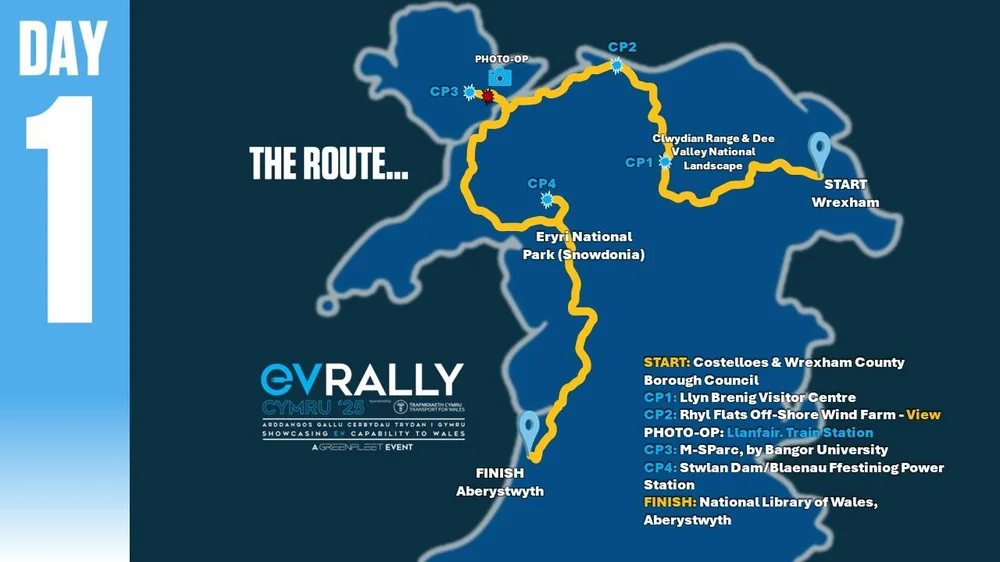
The distinction between driving the full route and crossing its finish shapes the next part of the story. EV Rally Cymru covered approximately 385 miles through Wales, with Richard Seymour and Rod Kirkpatrick responsible for most of the journey in the Toyota C-HR+. Evans joined the event at its conclusion on October 22, driving the vehicle across the line at Toyota’s Deeside facility. That sequence gives the appearance a precise role within the event. The champion became part of the closing scene, while the route’s efficiency performance remained the principal result announced by Toyota UK.
October 27 brought the result into public view through Toyota UK’s announcement, followed by coverage from Business Motoring. The timing matters to the article’s structure because both reports connected the vehicle’s performance with Evans’s participation. Yet the two elements carry different kinds of information. The Toyota C-HR+ was the vehicle associated with the efficiency achievement, while Evans supplied the recognizable sporting connection at the finish. One concerns a product’s performance during a defined journey; the other concerns who drove it across the line. Their appearance together makes the event legible to readers interested in both motoring and rallying.
The route itself gives the efficiency result a concrete scale. A journey of roughly 385 miles across Wales provides the setting for Toyota’s account of the electric vehicle’s performance, rather than a brief appearance detached from travel. The announcement described the C-HR+ as the event’s efficiency champion, making energy use the central measure presented to readers. For electric vehicle efficiency, distance supplies an important part of the story because the result emerged from a journey rather than a static display. The route also explains why Seymour and Kirkpatrick’s contribution belongs in the account, even though Evans became the face at the finish.
Richard Seymour and Rod Kirkpatrick occupy a significant place in the event’s chronology because they handled most of the driving before the Deeside finish. Their role gives the achievement a team dimension, while Evans’s appearance provides a clear closing image linked to his recent championship success. The Welsh electric rally therefore brings together endurance across a substantial route, a vehicle-efficiency result, and a champion’s participation at the final stage. Those components can attract different kinds of attention without needing an invented dispute between them. The unresolved interpretive question is why a technical efficiency story becomes more recognizable when its finish involves a leading rally driver.
Deeside Finish Separates the Driving Roles from the Headline
The Deeside finish offers two ways to read the same event, beginning with the vehicle rather than its famous driver. Toyota UK presented the Toyota C-HR+ as the efficiency champion of EV Rally Cymru, making the approximately 385-mile Welsh journey the basis of the announcement. Under that reading, the central achievement belongs to the car’s performance across the route. The Toyota C-HR+ efficiency result carries the story because it gives the event a measurable purpose. Evans’s appearance adds a human focal point, but the reported achievement remains tied to the electric vehicle’s performance during the journey.
A second reading begins with the person behind the wheel at the finish. Evans had recently become WRC champion, and his drive across the line at Toyota’s Deeside facility connected that sporting milestone with an electric vehicle event. From this perspective, the Elfyn Evans appearance makes a technical announcement easier to associate with a recognizable competitor. The timing and location provide the link: he drove the car across the finish on October 22, while Toyota UK announced the outcome five days later. The connection is concrete, even though the event’s main efficiency result remains distinct from Evans’s championship achievement.
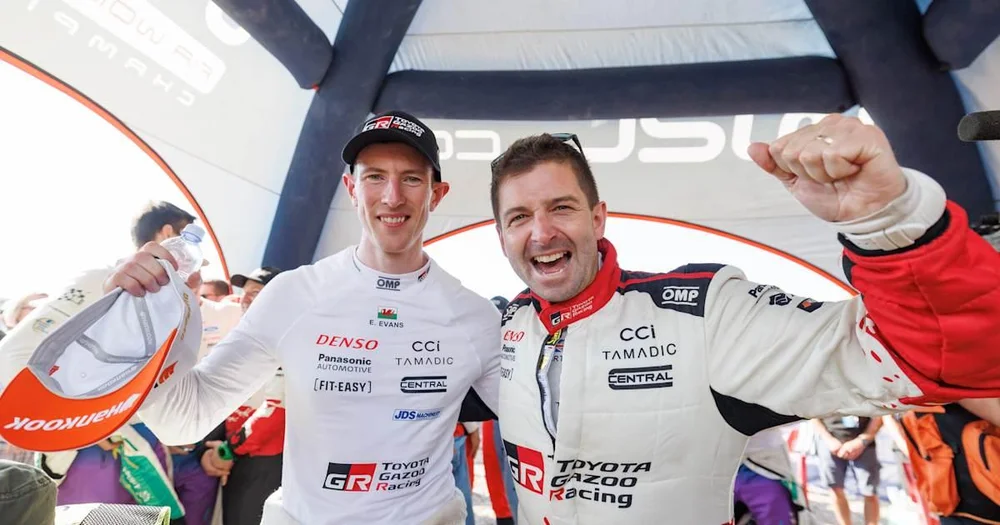
The contrast becomes clearer when responsibility for the route is considered alongside visibility at its end. Seymour and Kirkpatrick completed most of the driving, while Evans performed the finish-line drive that connected him to the event’s conclusion. That division gives EV Rally Cymru results a more specific structure than a simple celebrity appearance. The vehicle travelled through Wales over a substantial distance, two participants handled most of that journey, and a champion took the final drive at Deeside. Each detail contributes a different part of the account. Read together, they show how a technical result and a public-facing moment can share one event without serving identical roles.
As an editorial reading, the strongest distinction lies between participation and responsibility for the full achievement. Evans’s role is clear because Toyota’s announcement places him at the finish, while Seymour and Kirkpatrick are identified as the people who undertook most of the route. The electric rally journey therefore has a documented sequence rather than a single protagonist carrying every part of the story. That sequence also offers a useful way to read motoring coverage: identify who completed the underlying task, then identify who appeared at its conclusion. The next stage is to weigh the efficiency claim against the specific evidence Toyota and Business Motoring make public.
What the 385-Mile Route Says About Electric Vehicle Efficiency
The approximately 385-mile Welsh route gives the efficiency claim its practical setting, shifting attention from a finish-line appearance to the vehicle’s performance over distance. Toyota UK named the Toyota C-HR+ the efficiency champion of EV Rally Cymru, making the result the central technical point in its October 27 announcement. The electric vehicle efficiency claim is strongest when read alongside the defined journey and the named event. Distance establishes the scale of the challenge, while the announcement identifies the reported outcome. Together, those details provide a concrete basis for understanding why the vehicle, rather than the celebrity appearance, anchors the motoring story.
The division of driving duties adds another layer to that assessment. Richard Seymour and Rod Kirkpatrick completed most of the route, while Evans drove the car across the finish at Toyota’s Deeside facility on October 22. This arrangement identifies the people involved at different stages and keeps the achievement attached to the journey itself. The Toyota C-HR+ remains the vehicle at the center of the efficiency result, while the named participants clarify how the event unfolded. A fuller technical comparison would be strengthened by published measurements from the rally and a clear account of the method used to rank the competing vehicles.
Toyota UK’s October 27 announcement and Business Motoring’s coverage provide two named publication points for the result. Their shared account connects the C-HR+ with the event’s efficiency outcome and records Evans’s finish-line appearance. As an editorial assessment, this convergence makes the basic event narrative more robust than a single isolated mention. The available facts still leave the precise measurement framework unestablished, and the label of efficiency champion cannot by itself show how large the performance gap was. Published consumption figures, comparable results for other entrants, and consistent test conditions would make the technical significance easier to evaluate.
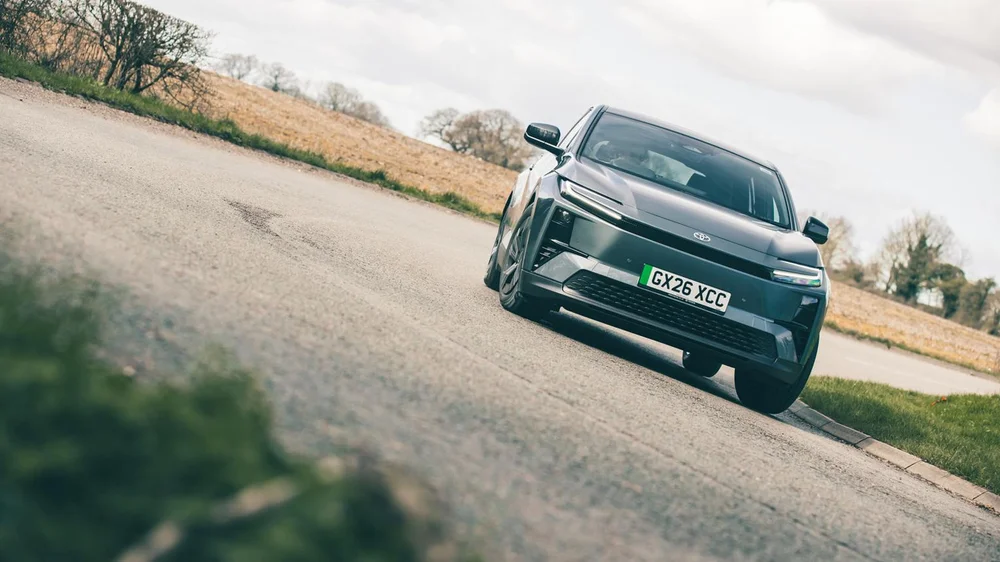
Elfyn Evans WRC Champion Adds a Sporting Dimension
The more revealing angle is the relationship between a champion’s appearance and a vehicle’s technical achievement. Evans crossed the finish line, but Seymour and Kirkpatrick handled most of the journey; that division changes how the event should be framed. Our editorial reading is that the story works best as a meeting point between rallying recognition and electric vehicle performance. The championship connection attracts attention. The route supplies substance. Evans’s presence does not establish that his participation caused wider interest in electric cars, and the announcement offers no audience figures to measure such an effect. The distinction keeps the narrative focused on what happened at Deeside.
The October 22 finish also gives the story a precise image: a newly crowned WRC champion driving an electric Toyota across the line after a long Welsh journey. That scene brings the event’s separate elements together without changing the division of work behind it. In our assessment, the most useful next detail would be the published efficiency figures and the comparison that earned the C-HR+ its result. Those details would clarify the technical achievement, while further official information about the event could specify how each participant’s contribution was recorded. For now, the key point to follow is how Toyota substantiates the efficiency outcome attached to this finish.
From Toyota’s Deeside Finish to a Wider Electric Rally Story
If Toyota’s efficiency result becomes the lasting reference point, the EV Rally Cymru appearance could connect electric motoring with the competitive world familiar to rally audiences. Evans provides that connection through his recent WRC championship and his drive across the finish at Deeside. The electric vehicle efficiency story also retains its practical foundation in a journey of approximately 385 miles through Wales. For readers interested in motoring, the vehicle’s performance remains the central measure; for rally followers, the champion’s participation offers an identifiable entry point. These two readings can coexist, giving the event relevance beyond either a vehicle announcement or a sporting appearance alone.
The finish-line scene now carries a more precise meaning when placed beside the division of driving duties. Seymour and Kirkpatrick completed most of the route, while Evans drove the Toyota C-HR+ across the line on October 22. That sequence keeps the achievement attached to the full journey and gives the champion a defined role in its conclusion. Toyota UK’s announcement five days later brought both elements into the same public account. The EV Rally Cymru story consequently rests on a useful combination: a specific efficiency result, a substantial Welsh route, and a recognizable figure at the finish. Each element contributes something different to the event’s identity.
The next meaningful development would be clearer published figures explaining how the Toyota C-HR+ secured its efficiency result and how that performance compared with other vehicles on the route. Such details would deepen the technical story already attached to Evans’s appearance and the work of Seymour and Kirkpatrick. Until then, the strongest account remains the one grounded in the documented journey, the named participants, and Toyota UK’s announcement. Elfyn Evans WRC champion may draw attention to the finish, but the vehicle’s efficiency achievement gives the event its defining purpose. The champion crossed the line; the numbers will define the result.
